Affiliate links may earn a commission at no cost to you. Full disclosure →
OB-GYN Curated Resource
Products I often suggest to my patients.
Every week, patients ask me what to buy for pregnancy, postpartum recovery, and their newborn. This is my answer — a short, selective list based on what I discuss most in practice.
```
01 Pregnancy
Products that address common discomforts and practical needs during pregnancy. Not every item will be relevant to every person or pregnancy. Consult your OB before use.
Skin Care
Earth Mama Belly Butter
Organic shea butter balm formulated to support skin elasticity during pregnancy. Free from synthetic fragrances — a safe choice throughout all trimesters.
Leachco
Coming Soon
Sleep & Comfort
Snoogle Pregnancy Pillow
A full-length C-shaped pillow that supports the back, belly, and hips simultaneously. Many patients find it useful earlier than anticipated.
Sea-Band
Coming Soon
Nausea
Acupressure Wristbands
A non-pharmacologic option for first-trimester nausea. Low-risk and low-cost — a reasonable first option to try before escalating.
Belly Bandit
Coming Soon
Pelvic & Back Support
Upsie Belly Band
A supportive band that may help reduce pelvic and lower back discomfort during daily activity in the second and third trimesters.
Comrad
Coming Soon
Circulation
Compression Socks
Graduated compression socks frequently recommended to support circulation and manage lower extremity swelling, particularly in the third trimester.
Erin Condren
Coming Soon
Appointment Prep
Pregnancy Journal
Keeping organized notes helps patients make better use of prenatal visit time. Useful for patients who prefer to arrive with specific questions ready.
02 Postpartum Recovery
Items I discuss most often in the early postpartum period. Recovery varies by delivery type and individual. Contact your provider promptly with any concerns.
Perineal Comfort
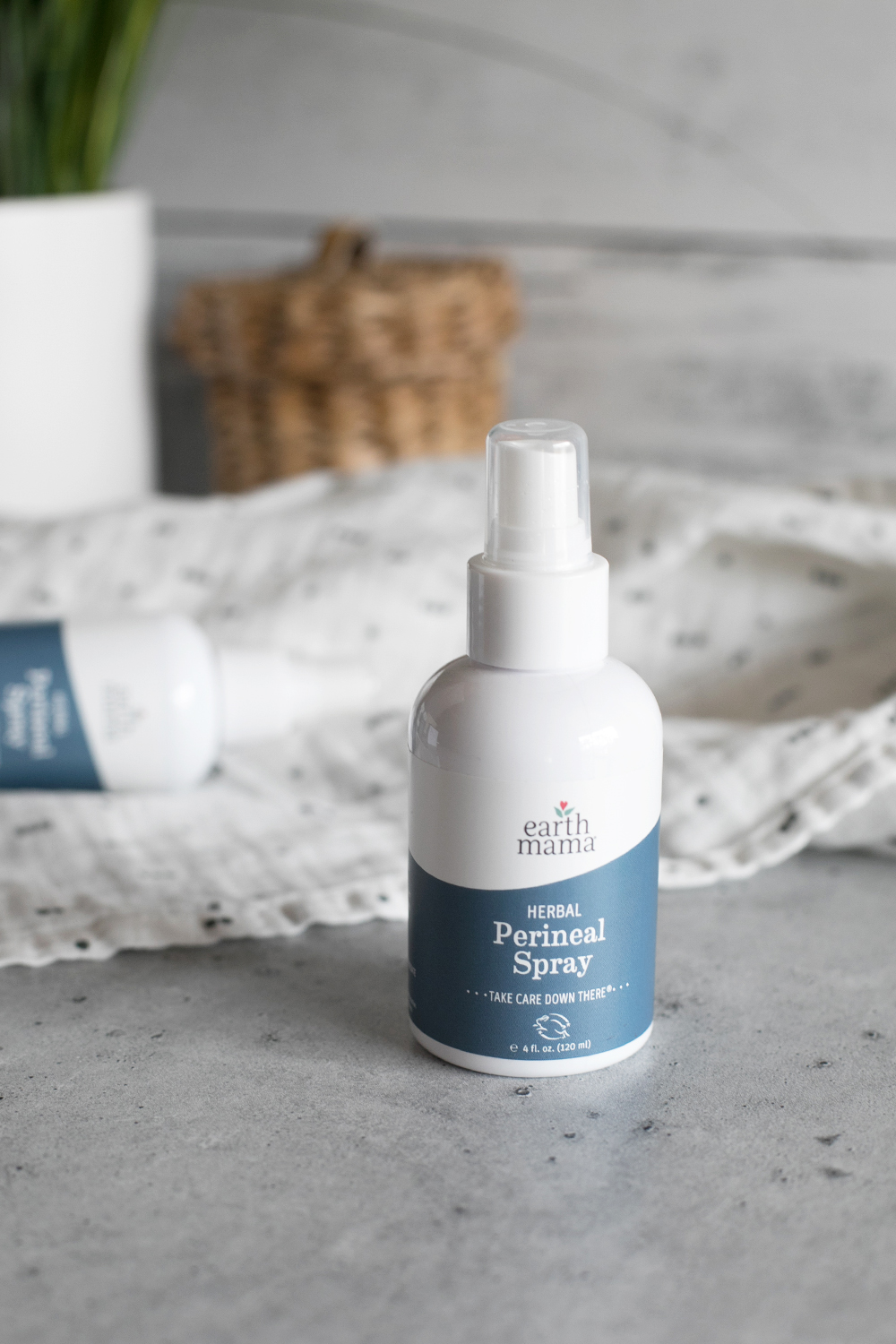
Earth Mama Herbal Perineal Spray
A soothing herbal spray with organic calendula and witch hazel for postpartum perineal comfort. Not a treatment for complications — contact your provider if symptoms worsen.
Breastfeeding
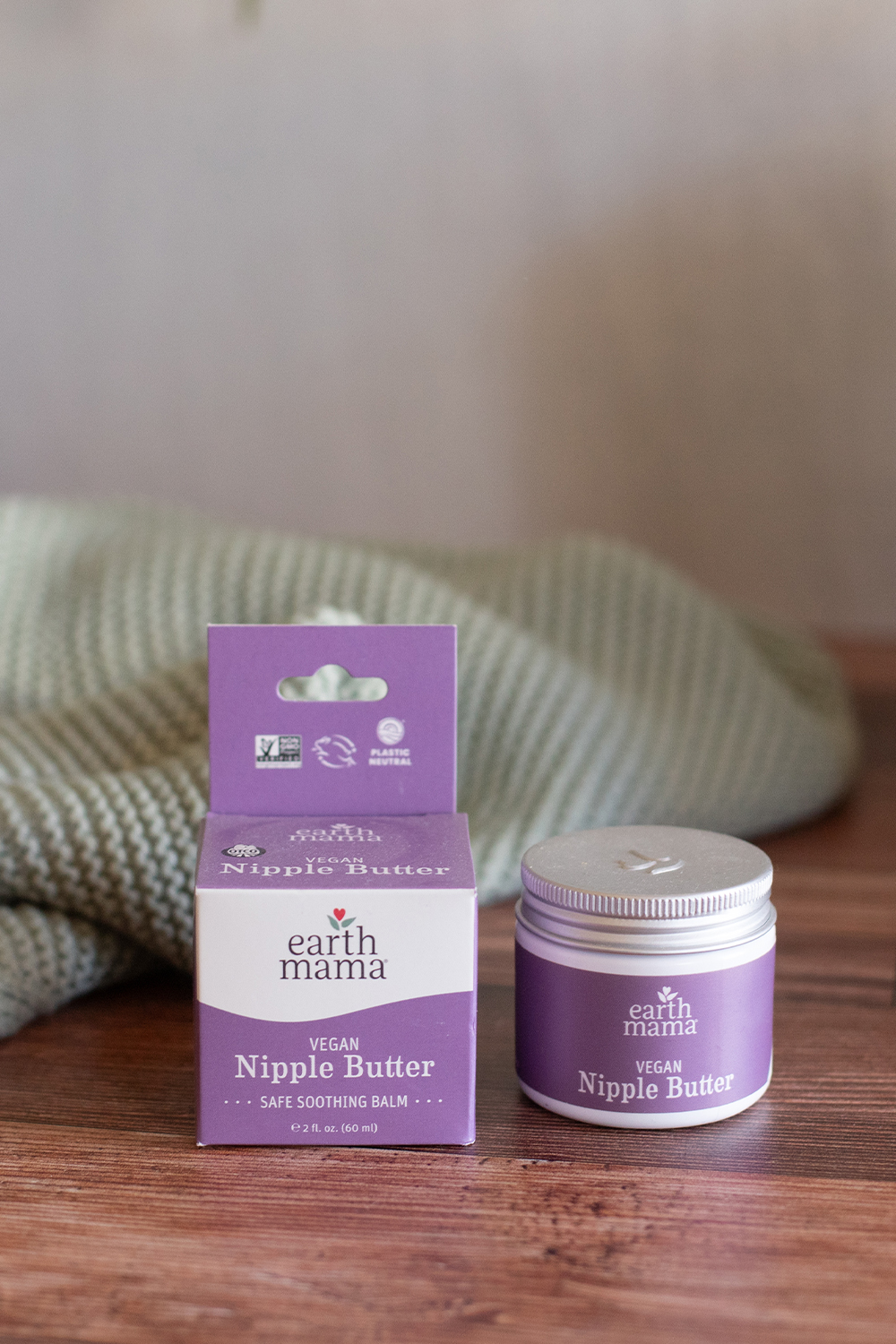
Earth Mama Organic Nipple Butter
A lanolin-free, organic nipple cream safe for mother and baby. Does not require removal before nursing. Persistent nipple pain should be evaluated for latch issues.
Frida Mom
Coming Soon
Perineal Hygiene
Peri Bottle
The angled design makes postpartum perineal hygiene considerably easier than a standard bottle. Among the first items I mention for hospital bag preparation.
Belly Bandit
Coming Soon
Abdominal Support
B.F.F. Postpartum Wrap
Adjustable abdominal binder for support and comfort following vaginal or cesarean delivery. Discuss fit and appropriateness with your provider post-cesarean.
Kindred Bravely
Coming Soon
Nursing
Nursing Bra
Sizing that accommodates postpartum body changes. A brand I mention when patients ask. Fit varies by individual — comfort should take priority.
Frida Mom
Coming Soon
Sitz Bath
Sitz Bath Soak
Standard postpartum comfort measure to soothe perineal discomfort. Having it ready before discharge is worth considering for vaginal deliveries.
03 Newborn & Early Baby
Practical essentials for the first weeks with a newborn. Intentionally short. Newborn care decisions should be guided by your pediatrician.
Skin Care
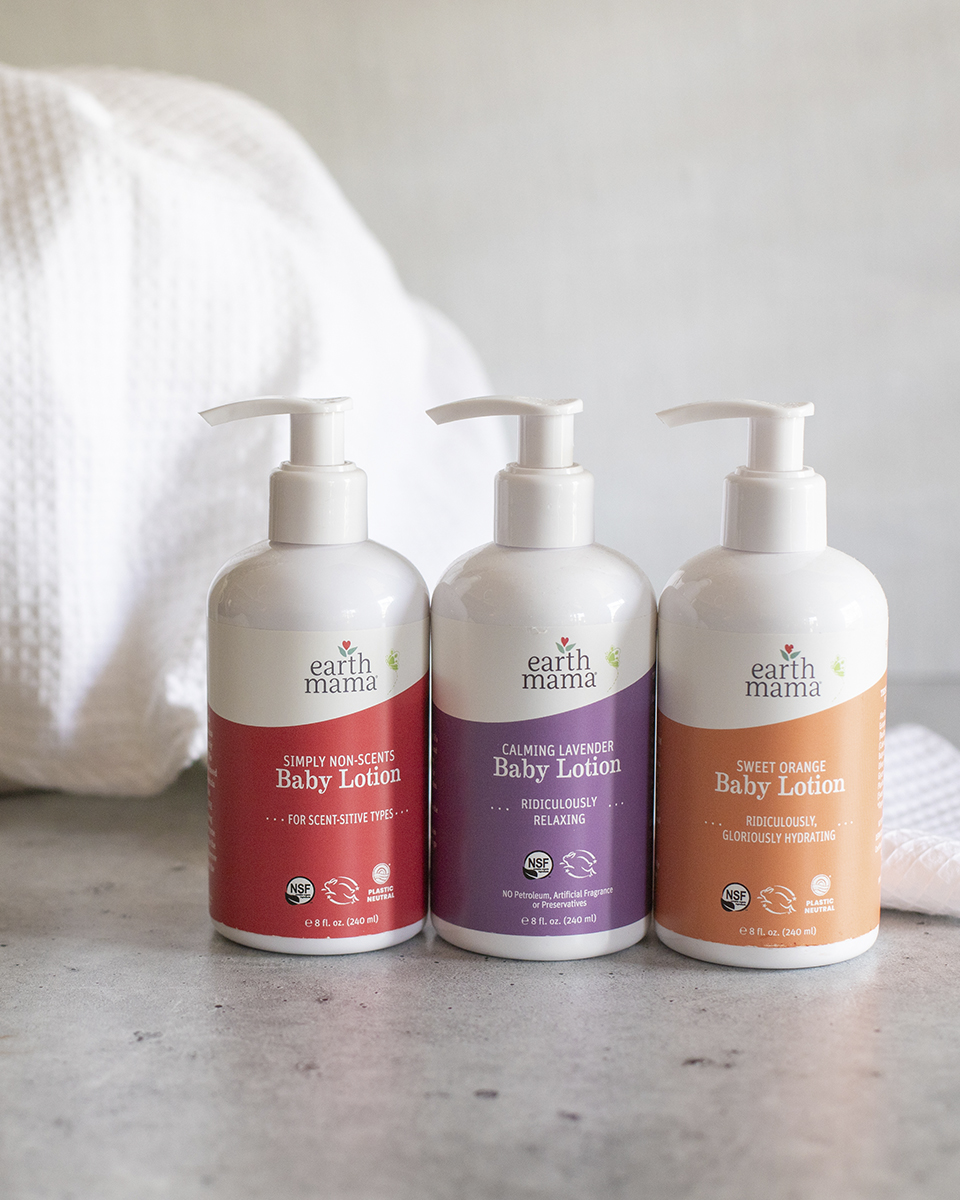
Earth Mama Organic Baby Lotion
Certified organic lotion formulated for newborn skin. Free from synthetic fragrance, parabens, and harsh chemicals — gentle enough for daily use from birth.
Haakaa
Coming Soon
Feeding
Silicone Breast Pump
Passively collects milk by suction during nursing. No power or assembly required — a practical addition in the early weeks alongside a full-size pump.
SNOO
Coming Soon
Sleep
Smart Sleeper Bassinet
Uses responsive motion and white noise aligned with AAP safe sleep guidelines. Many families report meaningful improvement in infant sleep in early months.
Aquaphor
Coming Soon
Skin Care
Baby Healing Ointment
Petrolatum-based barrier ointment broadly used in clinical practice for diaper rash. Well-tolerated and widely recommended for routine diaper changes.
Owlet
Coming Soon
Monitoring
Dream Sock Monitor
Tracks heart rate and oxygen during sleep. A consumer wellness device — not a substitute for safe sleep practices. Some families find it useful for peace of mind.
HALO
Coming Soon
Safe Sleep
SleepSack Swaddle
Wearable swaddle that reduces loose bedding risk while maintaining the calming effect of swaddling. Hip-healthy design aligned with AAP safe sleep guidance.
04 Women's Pelvic & Intimate Health
Products related to pelvic floor recovery, vaginal wellness, and intimate health. Discuss with your provider before use if you have specific pelvic health concerns.
Intimate Rose
Use Code DRTIFFANY
Pelvic Health
Intimate Rose
A comprehensive line of pelvic floor therapy products and intimate wellness tools. Clinically developed and widely recommended by pelvic floor specialists.
```
Free Resource
Get my Hospital Bag Checklist
Plus my top 10 OB-GYN recommended products — delivered to your inbox.
Thank you — check your inbox for your free resources.
No spam. Unsubscribe anytime.
This site is for general informational purposes only and does not constitute medical advice or establish a physician-patient relationship. Please consult your own healthcare provider for guidance specific to your circumstances.
About This Site
A resource for common patient questions.
I'm an OB-GYN at Rodeo Women's Health, affiliated with Cedars-Sinai Medical Center in Los Angeles. One of the most consistent observations I've made in practice is that patients have a great many product questions.
What pillow helps with sleep in the third trimester. What to bring to the hospital. What to do about perineal soreness once you're home. These questions come up regularly, often in the last few minutes of an appointment.
This site is my attempt to provide a more grounded answer than a general internet search. The list is intentionally short — everything here is something I discuss regularly in practice and feel comfortable suggesting as a general option.
Practice
Rodeo Women's Health, Beverly Hills
Hospital Affiliation
Cedars-Sinai Medical Center, Los Angeles
Specialty & Licensure
Obstetrics & Gynecology — Licensed in California
This site is for general informational purposes only and does not constitute medical advice or establish a physician-patient relationship. Please consult your own healthcare provider for guidance specific to your circumstances.
Disclosures
Last updated: January 2026
```
No medical advice
The content on this website is provided for general informational purposes only. It does not constitute medical advice, diagnosis, or treatment of any kind. Nothing on this site creates or implies a physician-patient relationship. Do not use information here to self-diagnose or make treatment decisions without consulting a qualified healthcare professional.
Affiliate link disclosure
In compliance with the FTC's guidelines (16 CFR Part 255), some links on this website are affiliate links. If you click an affiliate link and complete a purchase, Tiffany Chang, MD may receive a small commission at no additional cost to you. Affiliate relationships do not influence which products are included or how they are described.
Institutional disclaimer
This website is operated independently by Tiffany Chang, MD in her personal capacity. It is not an official publication of Rodeo Women's Health or Cedars-Sinai Medical Center. The views expressed here do not represent the positions, policies, or endorsements of either institution.
Nature of product mentions
Products listed reflect the personal observations and general clinical familiarity of Tiffany Chang, MD. These mentions are not formal clinical endorsements and have not been reviewed or approved by Rodeo Women's Health, Cedars-Sinai, ACOG, the AMA, the AAP, or any other institution. Suitability depends on individual health history and circumstances. Consult your own provider before acting on any information presented here.